April 29, 2026
Many parents assume that the need for kids braces arises once permanent teeth have fully formed during the teenage years. This assumption, largely influenced by societal norms, overlooks the nuances of early orthodontic intervention. Insights from professionals in the orthodontic field have highlighted the advantages of early screening and timely treatment. According to the American Association of Orthodontists, children are recommended to have their first visit with an orthodontist no later than age 7. By understanding these insights, parents can make informed decisions tailored to our child's dental development.
Common Myths About Timing
Understanding The Prevailing Belief
Society often perpetuates the myth that kids braces are only necessary once a child is well into their teenage years. This belief stems from observations of older children and peer experiences, feeding into a widely accepted norm. Many parents wait until visible dental problems develop, driven by a misconception that early intervention is unnecessary. However, this approach can overlook opportunities for more proactive care and thoughtful planning.
Recognizing Generational Influence
Older generations grew up when orthodontic care was often introduced later, typically during adolescence. These past practices continue to influence current parental expectations about when treatment should begin. Advances in orthodontic technology and improved understanding of dental development have shifted these timelines. However, the influence of earlier practices still shapes perceptions today.
Identifying Common Misconceptions
Overall, misconceptions about orthodontic timing often stem from anecdotal experiences and limited exposure to modern care approaches. Media portrayals frequently highlight teenagers undergoing treatment, reinforcing the idea that this is the standard timeline. Without accurate information, early evaluation opportunities may be overlooked. In reality, orthodontic professionals recognize the value of assessing dental development earlier.
Key Benefits Of Early Assessment
Understanding Recommended Screening Age
An initial orthodontic screening by age seven aligns with key stages of dental development. At this point, a mix of baby and permanent teeth allows orthodontists to evaluate how the mouth is forming. These early evaluations help identify patterns that may benefit from monitoring or future care. Understanding this timing allows parents to take a more proactive role in a child's dental health.
Spotting Potential Issues Early
Evaluations can reveal concerns such as crowding, spacing, or bite irregularities. These issues may not always be obvious without a professional assessment. Identifying them early provides an opportunity to track development and plan appropriately. Addressing concerns at the right time can support better long-term outcomes.
Simplifying Treatment Through Early Action
Beginning orthodontic care at the appropriate stage can help guide dental development more efficiently. This approach can support smoother alignment as teeth emerge and shift over time. Early planning often leads to more predictable treatment progression. In some cases, early monitoring may reduce the overall complexity of kids braces later on.
Important Factors Affecting Timing
Considering Genetic Factors And History
Genetics can influence how teeth and jaws develop, affecting orthodontic needs. Family history may provide insight into patterns such as crowding or bite alignment. Being aware of these tendencies helps parents approach evaluations with greater awareness. This understanding supports more proactive decision-making.
Evaluating Dental Development Rates
Each child develops at a different pace, which can influence when orthodontic care becomes appropriate. Some children experience earlier or later transitions between baby and permanent teeth. Orthodontists consider these variations when recommending next steps. This individualized approach ensures timing aligns with each child's needs.
Addressing Personal Habits Early
Certain habits, such as thumb sucking, can affect how teeth and jaws develop over time. These behaviors may influence alignment. Addressing habits early can support healthier dental development. Awareness of these factors helps parents take a more active role in prevention.
Emotional Aspects Of Treatment
Supporting Children's Self-Esteem
Orthodontic care can influence a child's confidence, making emotional support an important consideration. Some children may feel self-conscious during treatment, while others adapt quickly. Encouragement and clear communication can help create a more positive experience. Supporting a child throughout the process contributes to overall well-being.
Managing Peer Pressure And Expectations
Social dynamics can shape how children perceive orthodontic care. Some may feel pressure to align with peers, while others may prefer to wait. These influences can affect attitudes toward treatment. Focusing on individual needs rather than social expectations helps guide better decisions.
Navigating Parental Decision-Making
Parents often face uncertainty when deciding on orthodontic care. Questions about timing, necessity, and outcomes can create stress. Access to clear information and professional guidance can help reduce these concerns. Informed decisions contribute to a more confident approach.
Real Experiences From Families
Reflecting On Parental Decisions
Many parents reflect on their initial assumptions about orthodontic timing. Some discover the value of earlier evaluations after learning more about dental development. These experiences often highlight the importance of staying informed. Learning from others can help guide future decisions.
Understanding Children's Experiences
Children respond to orthodontic care in different ways depending on timing and individual factors. Some adapt quickly, while others require additional support. Understanding these variations helps create a more positive environment. Each experience offers insight into improving care approaches.
Learning From Family Experiences
Families often emphasize the importance of personalized care and professional guidance. Many recommend early evaluations to better understand potential needs. These shared insights can help others approach orthodontic care with greater confidence. Learning from real experiences supports informed decision-making.
Helpful Guidelines For Care
Applying Professional Insights
Orthodontic professionals emphasize the importance of individualized care. Each treatment plan is based on a child's unique dental development. Early evaluations and ongoing monitoring play key roles in this process. This approach ensures care is both appropriate and effective.
Following Association Recommendations
Professional organizations recommend early evaluations to support better long-term outcomes. These guidelines help parents understand when to begin looking into care options. Following these recommendations provides a strong foundation for decision-making. Awareness of these standards supports confidence in the process.
Knowing When To Seek Another Opinion
In some cases, parents may choose to seek additional perspectives before moving forward with treatment. This can provide further clarity and reassurance. Exploring different viewpoints helps ensure alignment with a child's needs. Confidence in the chosen plan is essential for a positive experience.
Using Educational Resources
Access to dependable information helps parents navigate orthodontic care more effectively. Educational materials and professional consultations provide valuable insights. These resources support informed and confident decisions. Staying informed plays a key role in long-term success. It also allows families to better understand available treatment options and what to expect throughout the process.
Exploring Future Treatment Trends
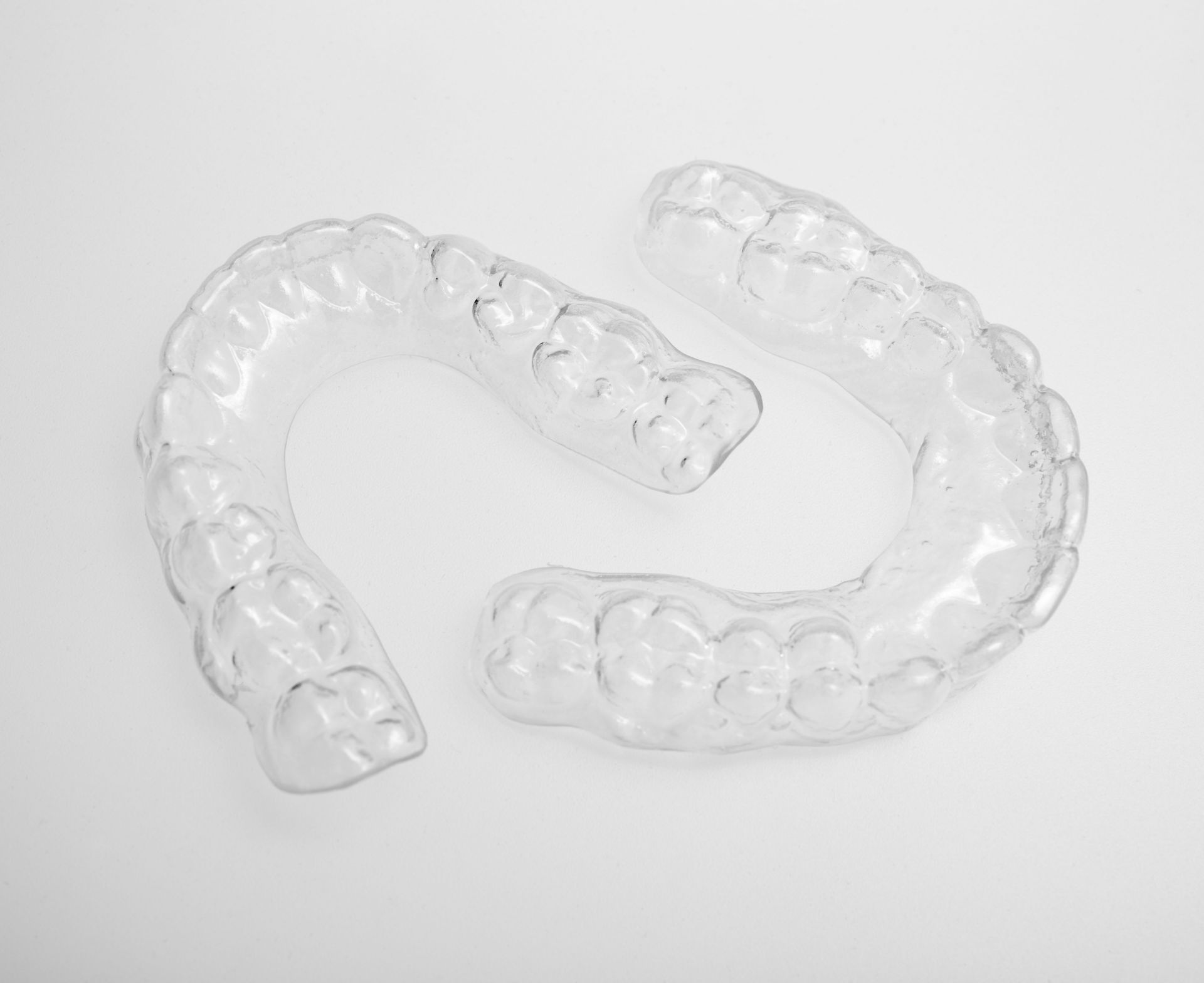
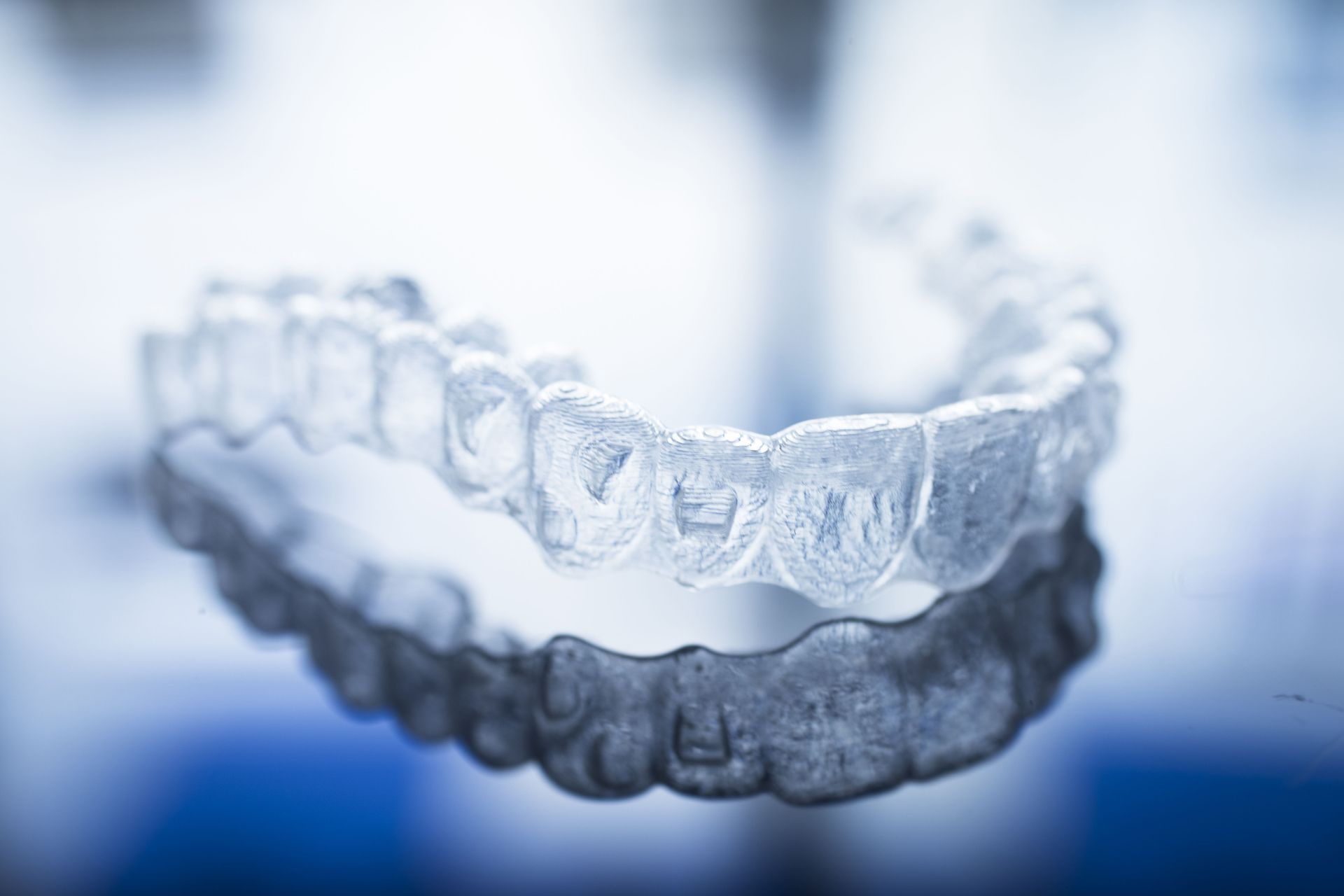
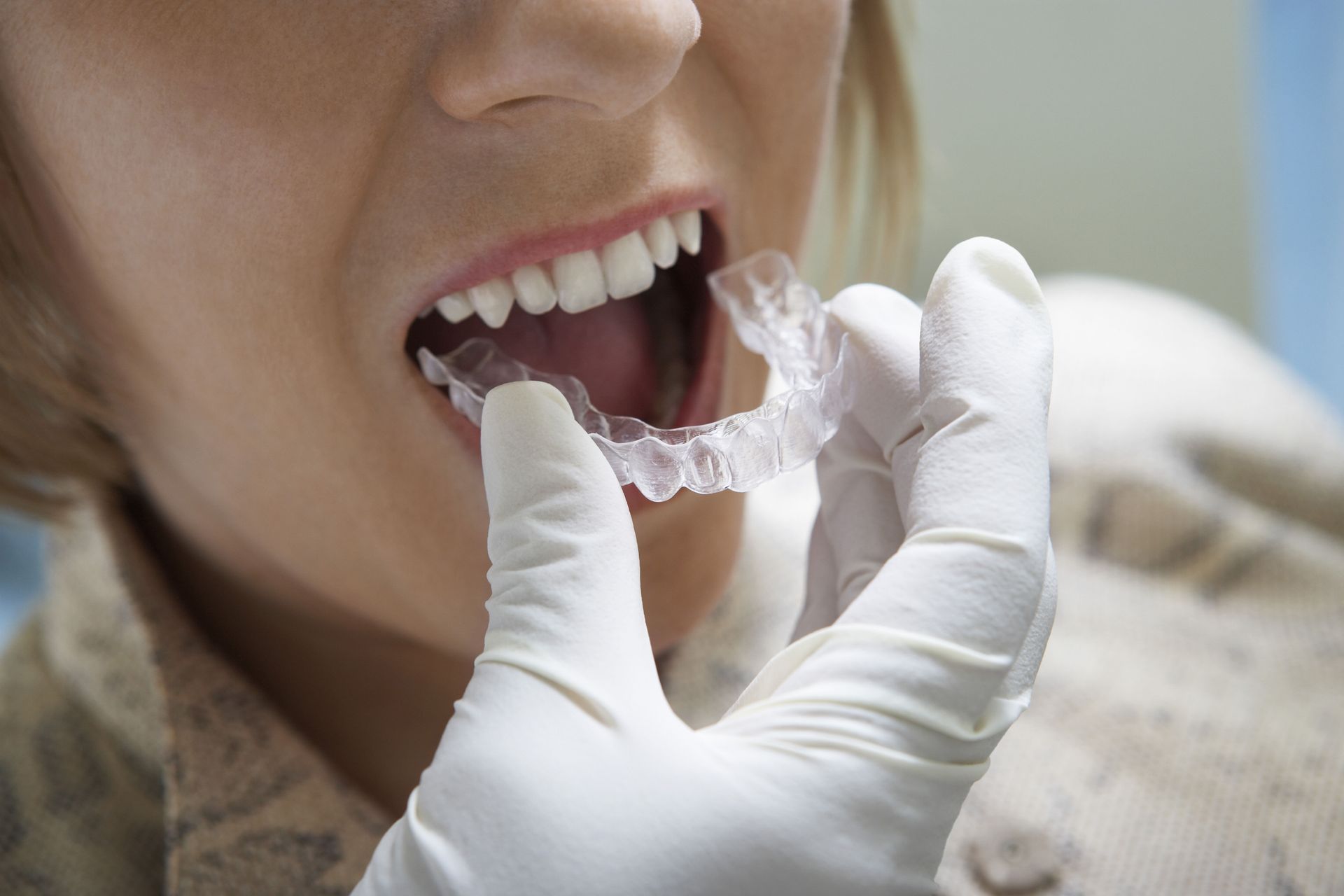
Advancements such as digital scanning, three-dimensional imaging, and clear aligners have improved how orthodontic care is delivered. These innovations support more precise planning and a more comfortable experience. As technology continues to evolve, treatment approaches are becoming increasingly tailored. In many cases, these advancements complement traditional options like kids braces when appropriate.
The question of the "right age" for orthodontic treatment depends on each child's unique development. While many assume care begins in the teenage years, early evaluations around age seven can provide important insight into how teeth and jaws are forming. This early awareness supports thoughtful planning and a clearer path forward. With modern approaches like digital scanning, clear aligners, and kids braces, families have more flexible options than ever. To explore what this could look like for our child, learn more with Boland Orthodontics.