
There are clear developmental markers that help parents and orthodontic professionals determine when kid's braces make sense.
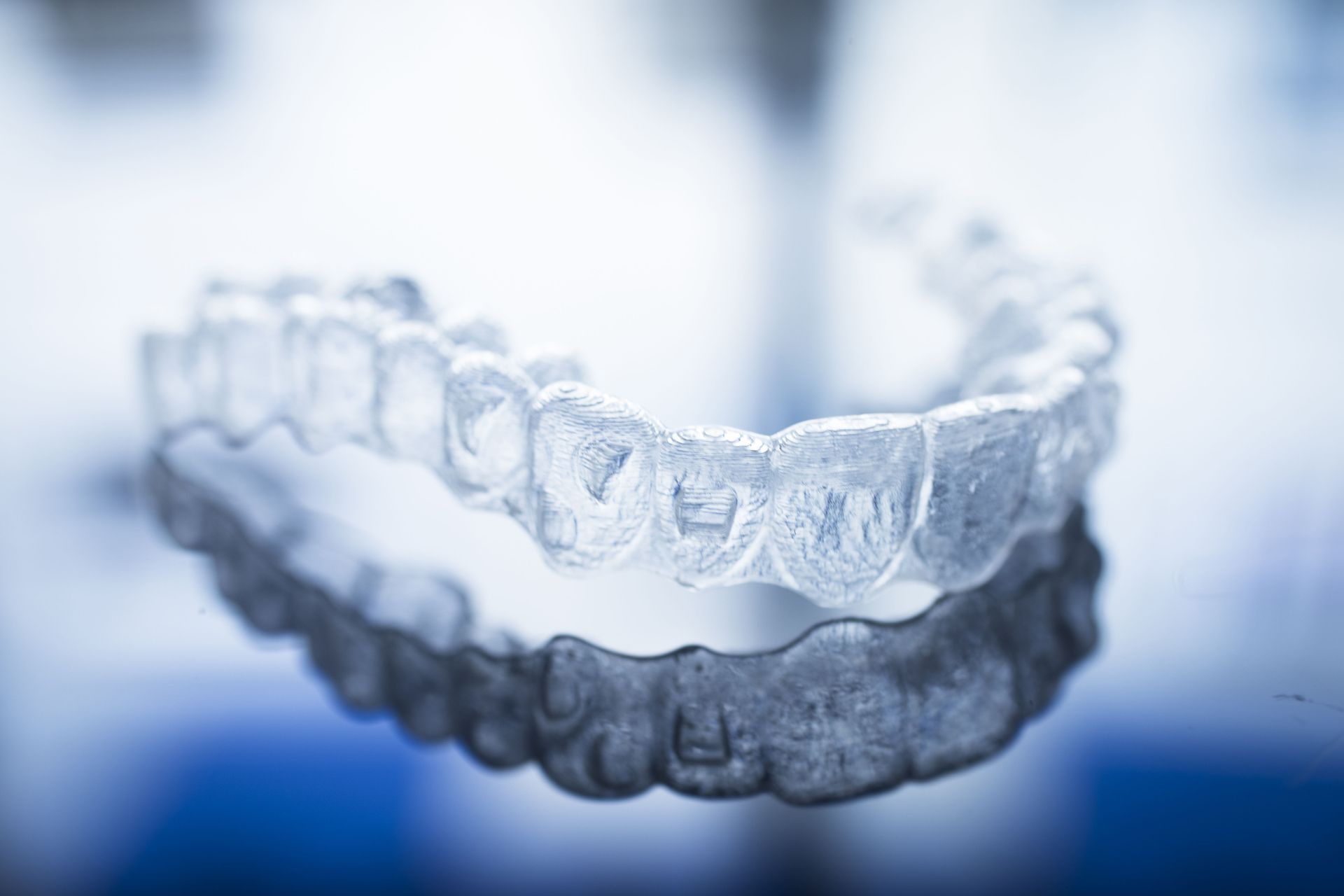
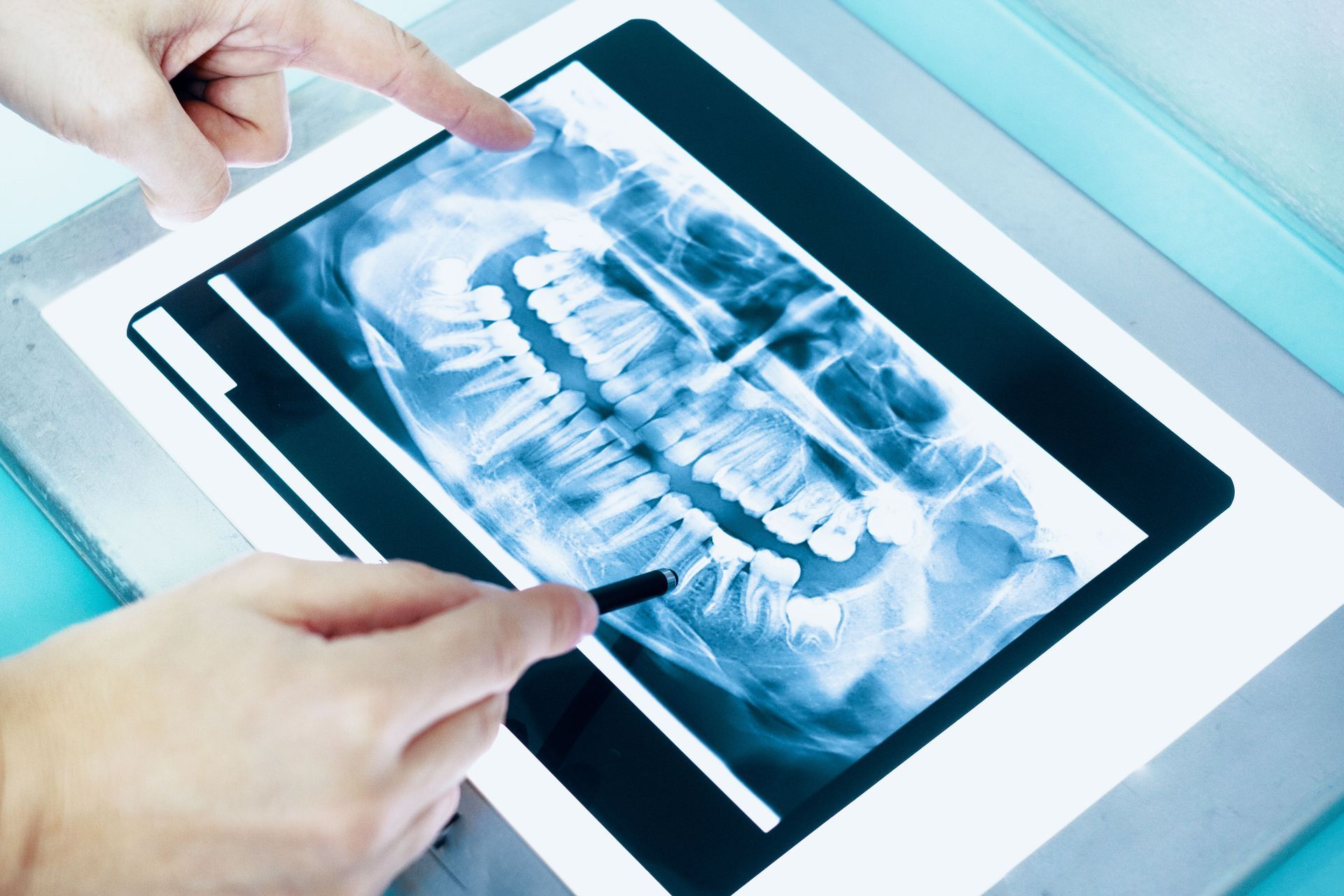
Orthodontic treatments have evolved significantly, offering discreet alternatives to traditional metal fixtures. Their widespread appeal stems from immense cosmetic benefits, allowing individuals to straighten their teeth without the highly conspicuous appearance of brackets and wires. Technological advancements in 3D imaging and material sciences have further enhanced their effectiveness, making them a top choice for people seeking aesthetic and functional improvements in their long-term dental alignment. Defining Clear Aligners Commonly referred to as clear aligners, these innovative devices consist of transparent, removable trays meticulously designed to adjust teeth gradually. Unlike fixed metal brackets, they offer a highly seamless appearance while effectively correcting complex dental irregularities. Crafted from medical-grade, non-toxic thermoplastic polymers, they are both incredibly durable and flexible. This specialized material ensures transparency and sustained comfort throughout the treatment period, easily withstanding the rigors of daily wear. Comparing Orthodontic Options While traditional metal brackets are highly visible and permanently fixed, invisible braces can be easily removed at meals and for routine oral hygiene, offering patients a much greater sense of personal freedom. Various discreet types exist on the market today, including comprehensive aligner systems, lingual options fitted on the inner teeth surfaces, and tooth-colored ceramic brackets. Choosing the right approach depends heavily on the severity of the dental issue and personal aesthetic preferences. Tracing Historical Development According to PubMed Central, the core concept of invisible braces dates back to the late 1990s 3D printing and digital scanning technologies were first used to create personalized invisible aligner trays. Over subsequent years, continuous advancements in computer modeling and flexible materials have drastically enhanced precise functionality. These ongoing innovations have rapidly broadened the reach of invisible braces, making cutting-edge care highly accessible to a much wider range of patients seeking a superior, less intrusive experience. Applying Consistent Pressure These modern systems function by applying gentle, consistent pressure to prompt gradual dental realignment without the sharp pain often associated with tightening wires. Each custom tray is uniquely designed to shift teeth slightly, facilitating necessary movements like tipping, rotation, and complex bodily shifts. As a brand-new tray is introduced every few weeks, the cumulative effect results in precise control over tooth movement, minimizing localized discomfort while maximizing overall corrective effectiveness. Projecting Treatment Timelines Treatment duration varies significantly based on individual physiological needs and the specific complexity of the patient's bite. According to Dentaly, the average length people have invisible braces ranges from one to three years, depending on the complexity of the case. Generally, more severe structural misalignments require a longer, phased treatment period. Patients are strictly required to follow their provider's timeline closely to ensure timely, uninterrupted progress toward achieving their desired smile. Maintaining Optimal Hygiene Proper daily wear and care are absolutely vital to achieving the best possible results. We recommend that patients commit to wearing their trays consistently for up to 22 hours daily, removing them only for eating meals and performing oral hygiene routines. Routine rinsing with lukewarm water and gentle brushing easily prevents harmful bacterial buildup and discoloration. Following these instructions rigorously ensures aligner longevity and clarity, promoting a highly successful, hygienic treatment outcome. Assessing Dental Structures Before commencing treatment, a comprehensive initial consultation and thorough physical assessment are strictly necessary. Dental professionals take detailed X-rays or digital scans to accurately assess the jawbone's condition and overall root alignment. State-of-the-art 3D imaging technology provides a highly detailed map of the mouth, allowing for the creation of a virtual, interactive model showing exactly how teeth will safely move. This crucial step sets realistic timelines and manageable stages for development. Producing Customized Trays Using the highly precise data obtained from initial 3D mapping, practitioners order customized aligners perfectly tailored to the patient's unique anatomical needs. The modern production process leverages 3D printing to ensure a flawlessly snug fit and client-specific customization. Regular check-ups are then essential for closely monitoring progress. These visits allow orthodontists to carefully assess patient adherence to the plan, identify potential mechanical problems, and make any timely adjustments or necessary refinements. Enhancing Aesthetic Appeal The primary, standout benefit for most modern patients is the undeniably clear, aesthetic advantage provided by these systems. The transparent nature makes them virtually imperceptible in daily life, allowing adults and self-conscious teenagers to undergo extensive treatment without compromising their daily appearance. This highly discreet approach provides a massive confidence boost, making invisible braces a highly popular choice for individuals who are anxious about wearing traditional, highly noticeable metal hardware. Accommodating Active Lifestyles The complete absence of sharp wires and brackets significantly reduces potential mouth irritation, while the removable design makes daily routines infinitely easier. Wearers can freely participate in various physical activities, from contact sports to playing wind instruments, without the typical painful restrictions. Furthermore, they completely eliminate frustrating food restrictions, allowing patients to easily enjoy their favorite crunchy or sticky meals without having to worry about breaking or damaging their orthodontic appliances. Evaluating Case Suitability Despite their highly discreet appearance, these advanced trays successfully address overcrowding, large spacing issues, and bite irregularities. However, they may not be medically suitable for all orthodontic cases. Severe skeletal overbites or complex issues requiring extensive vertical root movement may still necessitate traditional interventions. The final decision largely depends on a professional evaluation, but for many, the effectiveness of invisible braces matches traditional methods, offering an appealing, cutting-edge solution with fantastic results. Requiring Patient Compliance Successful, timely treatment heavily relies on strict patient compliance and unwavering daily discipline. Because the trays are completely removable, patients who frequently take them out or neglect scheduled wear periods will inevitably experience prolonged timelines and far less effective results. A firm, dedicated commitment from the wearer is absolutely crucial. While mild initial discomfort is entirely normal as teeth adapt to new pressure, consistent wear guarantees that the intended movement occurs seamlessly. Managing Financial Investments The total cost can be a significant consideration for families, as premium orthodontic solutions reflect the highly customized design and advanced technology involved. Insurance coverage may vary widely, with some dental policies offering partial reimbursement for the procedure. Once the active treatment phase concludes, transitioning to long-term maintenance is required. Clear retainers are typically used nightly to prevent teeth from reverting, safeguarding the financial and physical investments made in achieving the desired outcomes. Embracing Technological Innovations The exciting landscape of modern orthodontics continues to evolve rapidly with improvements in software algorithms that successfully refine movement prediction models and overall treatment efficiency. Contemporary trends also reflect a growing emphasis on environmentally friendly options, with manufacturing companies investigating biodegradable materials for tray production. Furthermore, genetic research and Artificial Intelligence are beginning to play massive roles in customizing invisible braces to address highly specific patient needs, utilizing predictive analytics to guarantee better smiles. The remarkably advanced systems currently offered in orthodontics represent a revolutionary leap in modern oral care, beautifully blending subtle aesthetics, daily comfort, and remarkable, long-lasting results. Their seamless integration into everyday life reflects a deep understanding of what today’s patients truly want from their dental journeys. While important factors like daily compliance, overall cost, and medical suitability must be carefully weighed by a professional, the profound, confidence-boosting benefits they offer make the commitment highly worthwhile. To fully explore your aesthetic options and take the exciting first step toward a flawless, healthy smile, schedule your comprehensive consultation today with Boland Orthodontics.
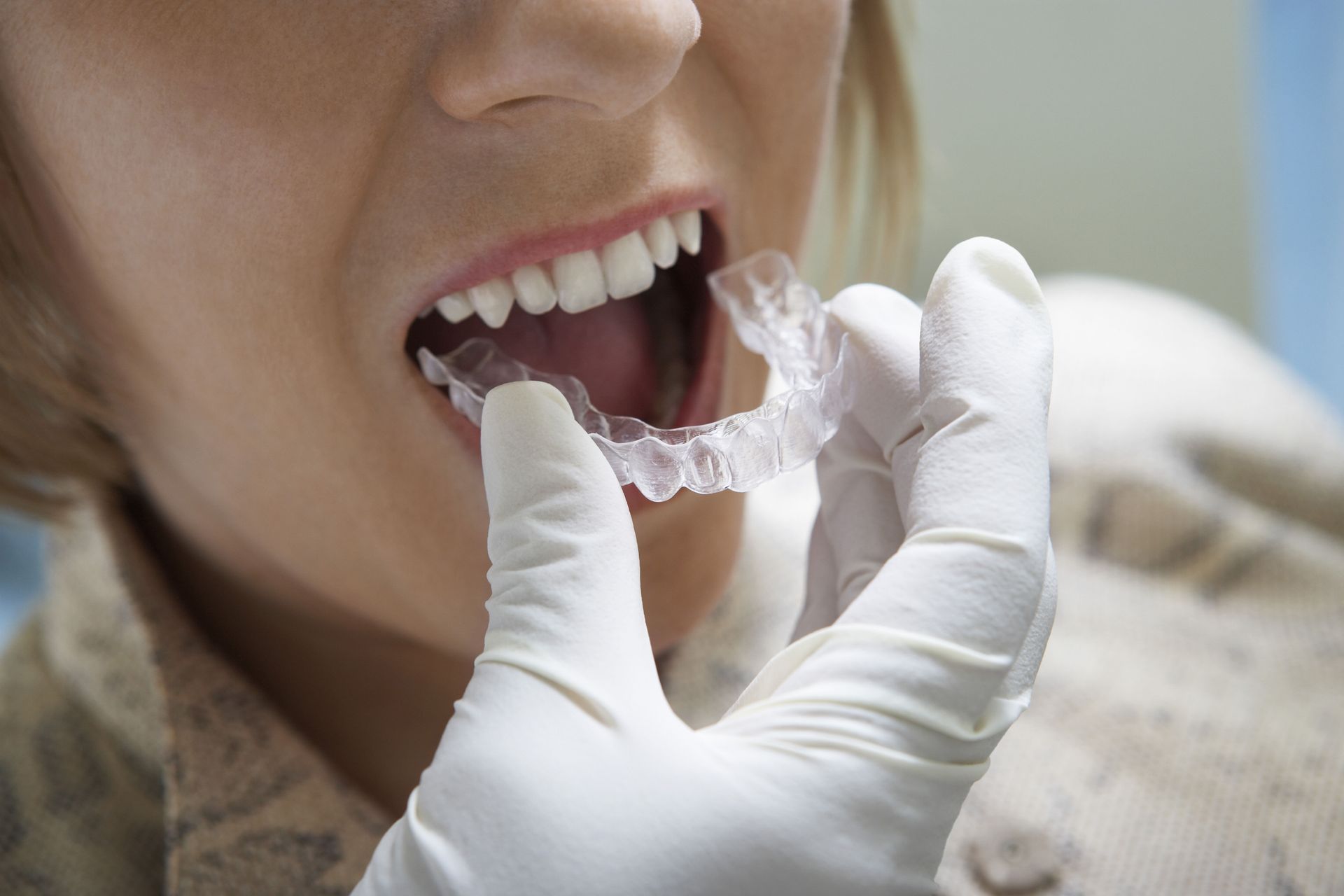
Enjoy a straighter smile with Invisalign! Clear, removable aligners fit your lifestyle comfortably. Contact Boland Orthodontics today.