March 10, 2026
Choosing orthodontic care is a meaningful decision that requires time, consistency, and patience. One of the most common questions patients have before starting treatment is how long they will need to wear braces and what factors influence that timeline. Braces are not a one-size-fits-all solution, and treatment duration can vary depending on dental complexity, age, and compliance. Understanding these variables allows patients to approach orthodontic care with realistic expectations.
Orthodontic treatment goes beyond cosmetic improvement. Proper alignment supports oral function, reduces uneven tooth wear, and promotes long-term dental health. When patients understand how timelines are determined, they are more likely to stay committed throughout treatment. Clear expectations help reduce uncertainty and support a smoother, more confident experience from start to finish.
Identifying Orthodontic Needs and Treatment Options
Orthodontic treatment is recommended for a variety of concerns, including crowding, spacing, crooked teeth, and bite misalignment. These issues can affect both appearance and function, often leading to difficulty chewing or challenges maintaining oral hygiene. Braces help correct these problems by gradually guiding teeth into healthier positions. Addressing alignment concerns early can help prevent more serious dental complications later in life.
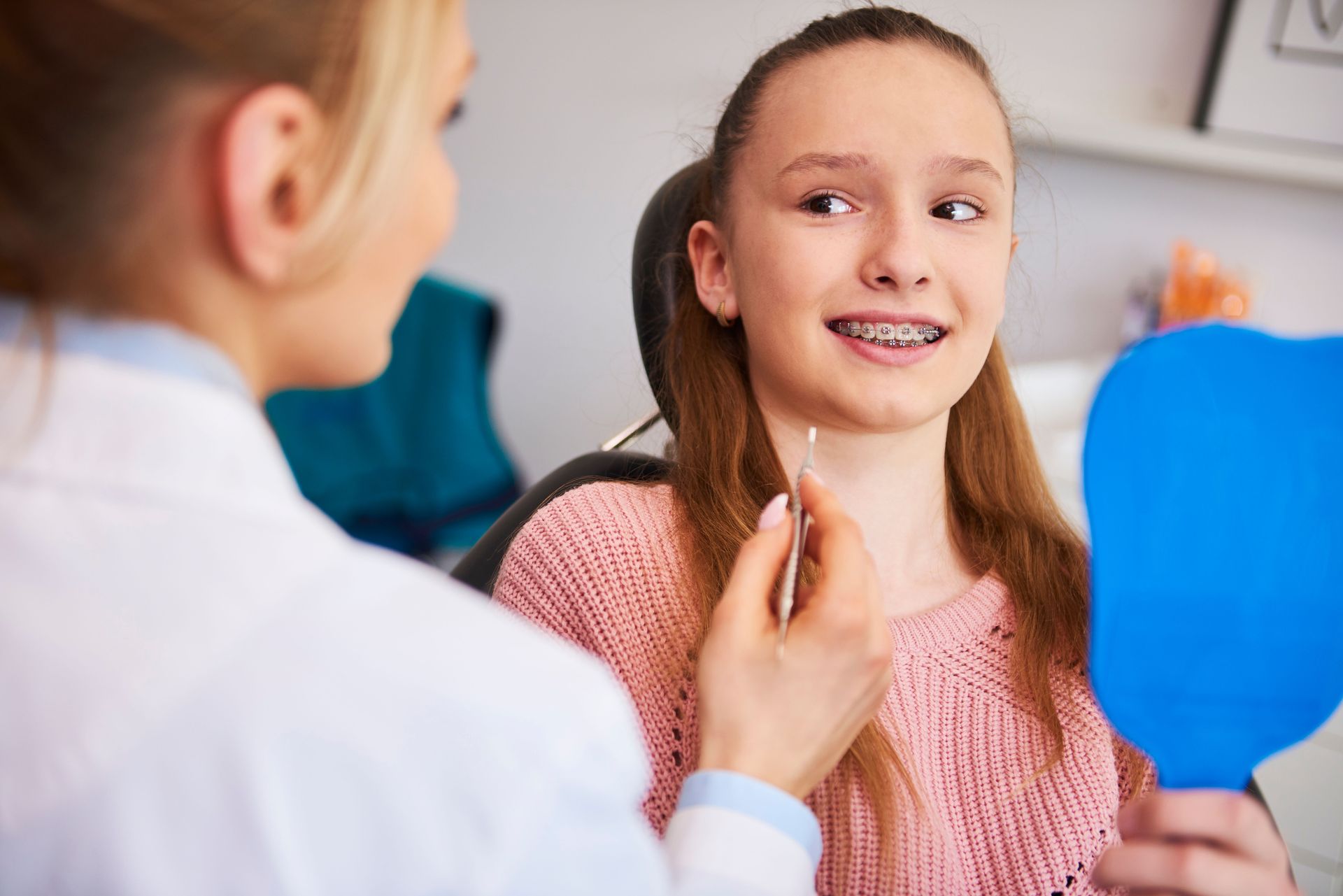
Orthodontic evaluations often begin during childhood, typically around age seven, when alignment issues first become noticeable. Early intervention can sometimes shorten the time braces are needed later on. However, orthodontic care is not limited to children or teenagers. Many adults choose braces to correct longstanding issues or changes that occur over time. Each patient's needs are unique, and those differences directly affect treatment duration.
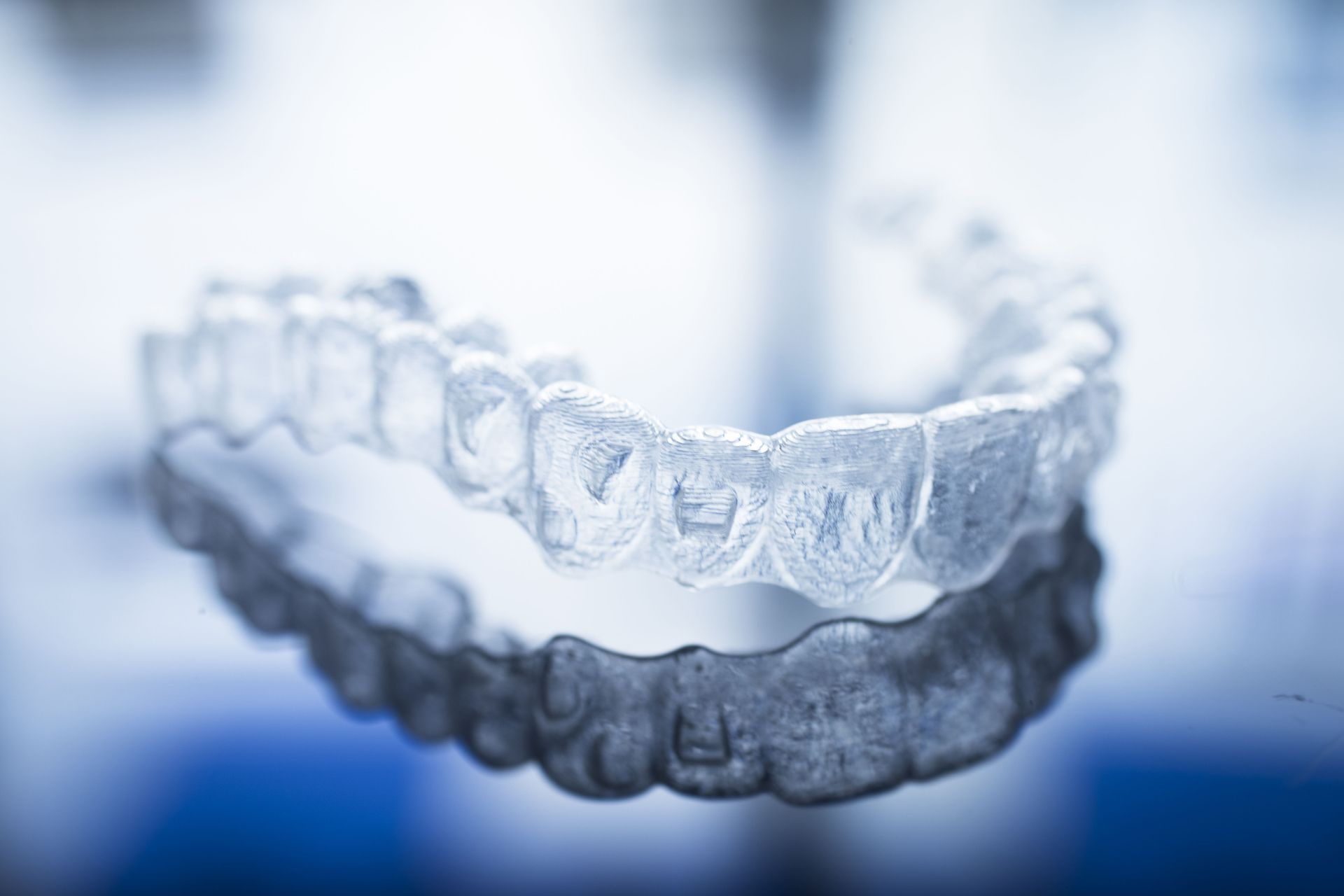
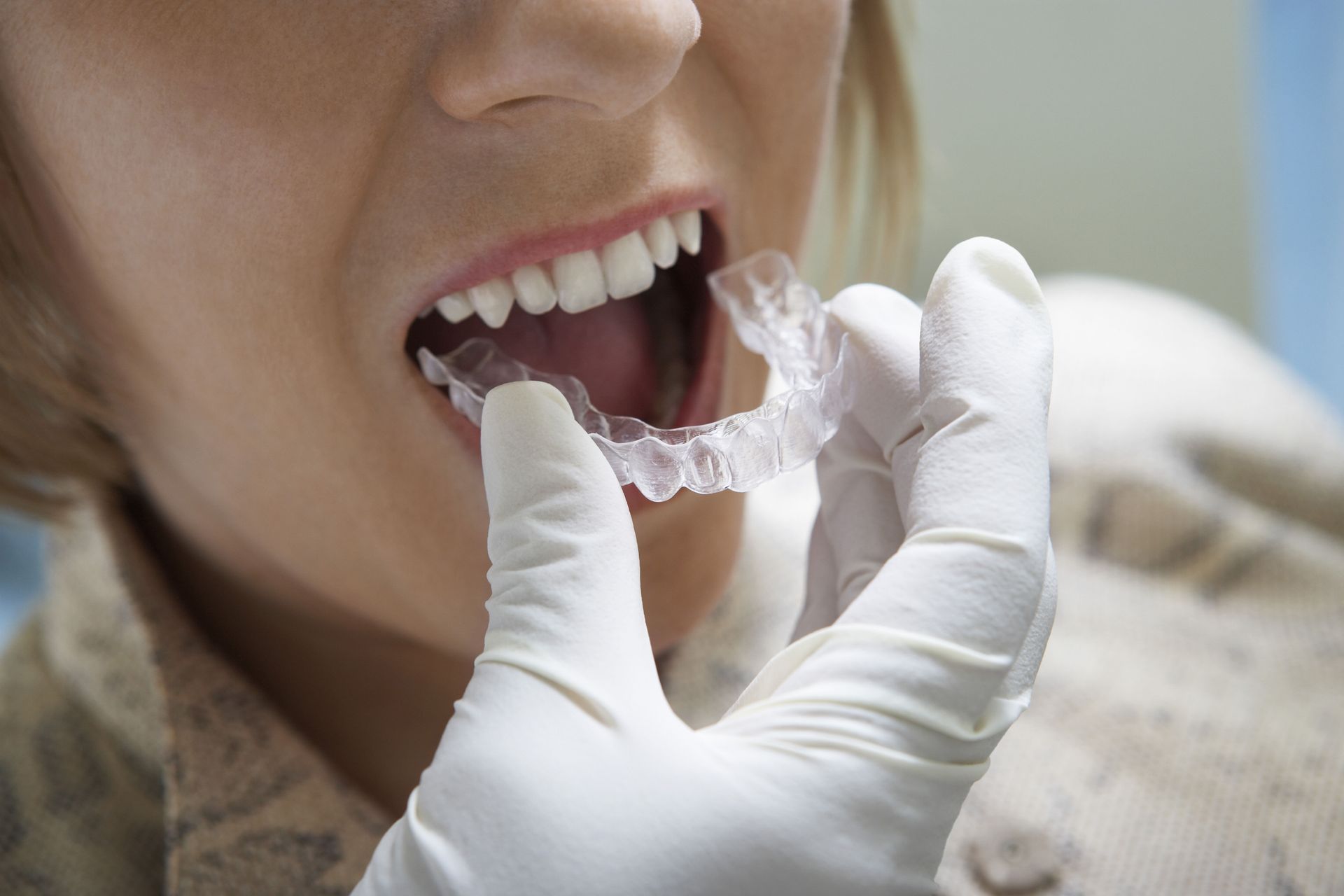
Treatment options vary based on severity and lifestyle preferences. Traditional metal braces remain one of the most effective solutions for complex alignment concerns, while ceramic and clear aligner options offer a more discreet appearance. The type of braces selected can influence comfort, maintenance requirements, and overall treatment time, making professional guidance an essential part of the decision-making process.
Relying on Professional Orthodontic Oversight
Orthodontists play a central role in guiding patients through every stage of treatment. During the initial consultation, the orthodontist evaluates dental structure, bite alignment, and oral health to determine whether braces are the most appropriate solution. Diagnostic tools such as digital imaging and X-rays help identify issues that may not be visible during a standard exam. This thorough assessment ensures treatment is planned efficiently and accurately.
Ongoing oversight is just as important as the initial diagnosis. Regular appointments allow orthodontists to monitor progress and make precise adjustments to braces as teeth shift. These visits help keep treatment on schedule and reduce the risk of complications. Orthodontists also provide education on care and maintenance, empowering patients to support their progress between visits.
Creating a Personalized Treatment Plan
After the initial evaluation, a personalized treatment plan outlines the type of braces recommended, estimated treatment length, and expected milestones. This plan provides structure and clarity, helping patients understand what to expect throughout the process. While timelines are estimates, they are based on clinical experience and the specific needs of the patient.
Patient involvement is an important part of creating an effective plan. Lifestyle considerations, scheduling availability, and financial planning are discussed to ensure treatment fits comfortably into daily life. Patients who understand and agree with their plan are more likely to remain consistent, which can positively influence how long braces are needed.
Influencing Treatment Duration Through Key Factors
Several factors influence how long braces must be worn, beginning with age and development. Younger patients often experience faster tooth movement because their jaws are still growing. Early treatment can sometimes lead to shorter timelines and simpler corrections. Adults may require more time due to denser bone structure, but modern orthodontic techniques make effective treatment possible at any age.
The severity of alignment concerns also plays a major role. Minor spacing or crowding may be corrected relatively quickly, while more complex bite issues often require extended treatment. In some cases, additional procedures such as extractions are necessary, which can lengthen the time braces are worn but improve overall results. Understanding the scope of correction helps patients set realistic expectations.
Technology and appliance choice further affect duration. Traditional systems are often preferred for complex cases because they provide precise control. According to Colgate, if you have metal braces, you should expect to return to your orthodontist every four to six weeks for adjustments, emphasizing the importance of consistent monitoring to maintain steady progress.
Supporting Treatment Progress Through Patient Commitment
Patient commitment is one of the most important factors influencing how efficiently treatment progresses. Wearing braces as instructed, following dietary recommendations, and attending scheduled appointments all contribute to staying on track. Missed visits or poor compliance can delay results and extend treatment time.
Maintaining excellent oral hygiene is equally critical. Braces create additional areas where plaque can accumulate, making thorough brushing and flossing essential. Dental issues that arise during treatment can interrupt progress and prolong timelines. Patients who follow care instructions closely often experience fewer setbacks and more predictable results.
Maintaining Momentum Through Monitoring and Adjustments
Regular monitoring allows orthodontists to ensure braces are working as intended and that tooth movement is progressing safely and efficiently. During follow-up visits, the orthodontist evaluates alignment changes, checks bite development, and makes precise adjustments to guide teeth into their planned positions. These routine visits help maintain momentum while allowing small corrections that prevent larger setbacks later in treatment. Even minor modifications can have a meaningful impact on how smoothly and predictably alignment progresses over time.
Advancements in orthodontic materials and techniques have significantly improved both comfort and efficiency, allowing adjustments to be more controlled and precise than in the past. Modern systems apply consistent pressure while reducing irritation, helping patients stay comfortable between visits. Open communication between patients and providers also plays a vital role, as discussing discomfort, fit concerns, or lifestyle changes allows potential issues to be addressed early.
Understanding Common Orthodontic Treatment Timelines
Short-term orthodontic solutions may be appropriate for patients with minor alignment concerns. These cases often focus on cosmetic improvements and may be completed within six to twelve months. While appealing, short-term options are not suitable for everyone and do not address more complex bite issues.
For most patients, wearing braces for 18 to 24 months is common. This timeframe allows for gradual, controlled tooth movement while addressing alignment and bite concerns. More complex cases may take longer, but extended timelines often result in improved stability and long-term success. Understanding typical timelines helps patients stay patient and motivated throughout treatment.
Preserving Results After Orthodontic Treatment
Completing orthodontic treatment is a major milestone, but maintaining results requires continued care. Retainers are commonly used to help teeth remain in their new positions after braces are removed. Consistent retainer use protects the investment of time and effort made during treatment.
Post-treatment care also includes routine dental visits and ongoing oral hygiene. Patients who follow retention guidelines are more likely to enjoy lasting results. Orthodontic treatment is a personalized process shaped by professional guidance, individual needs, and patient commitment. Braces continue to be a reliable and effective solution for improving alignment, function, and oral health. Understanding what influences treatment length helps patients move forward with clarity and confidence.
If you are considering
braces or want a better understanding of what orthodontic treatment may involve, schedule a consultation with an experienced orthodontic provider today. Taking the first step with Boland Orthodontics can put you on the path toward a healthier, more confident smile that lasts.