July 20, 2026
Mail-order aligners have become a popular option for people who want a straighter smile without frequent office visits. These services promise convenience, lower costs, and a simplified process that can begin from home. While the idea is appealing, it is important to understand how mail-order orthodontic treatment works, what benefits it may offer, and what risks can come with limited in-person supervision.
Understanding Mail-Order Orthodontics
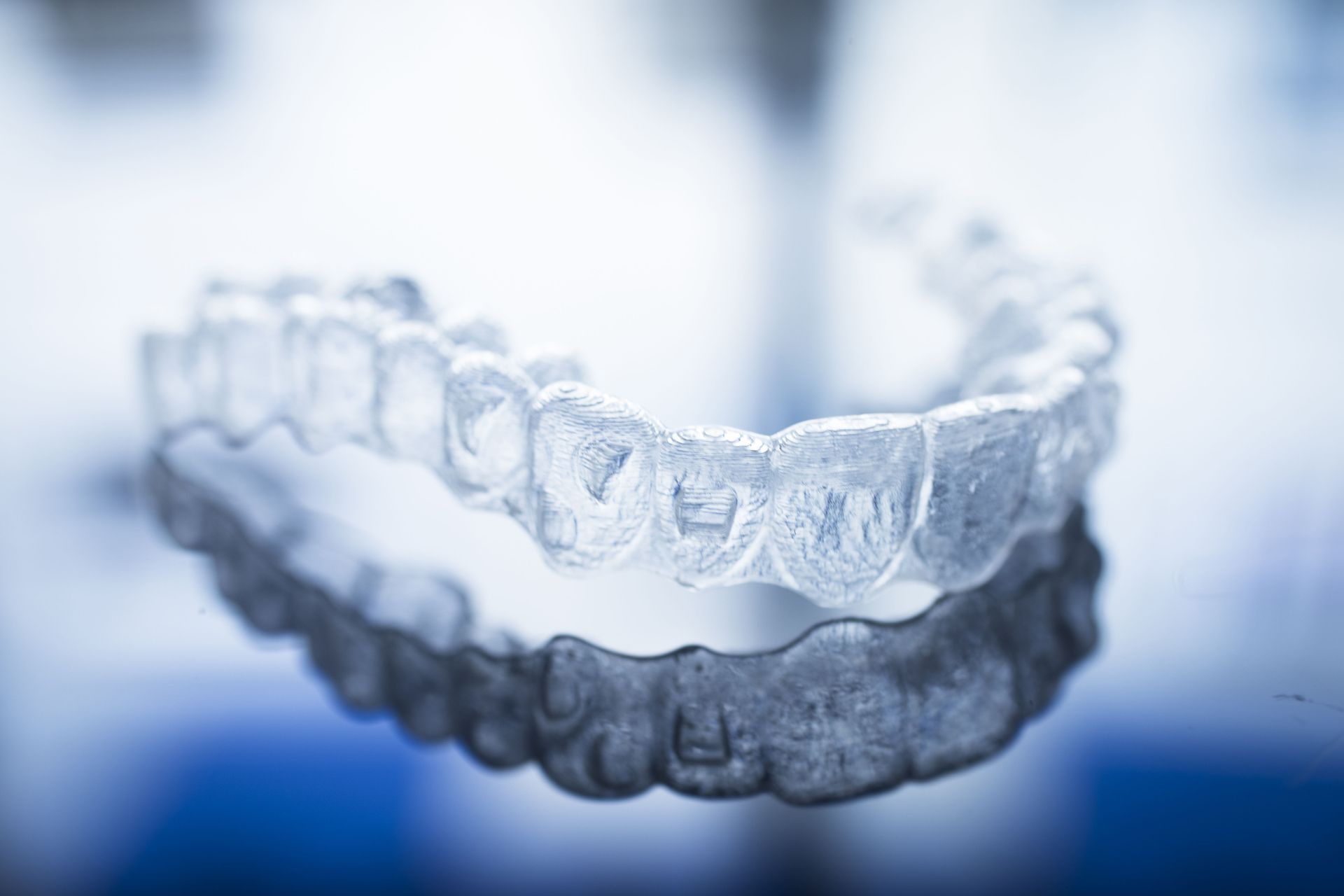
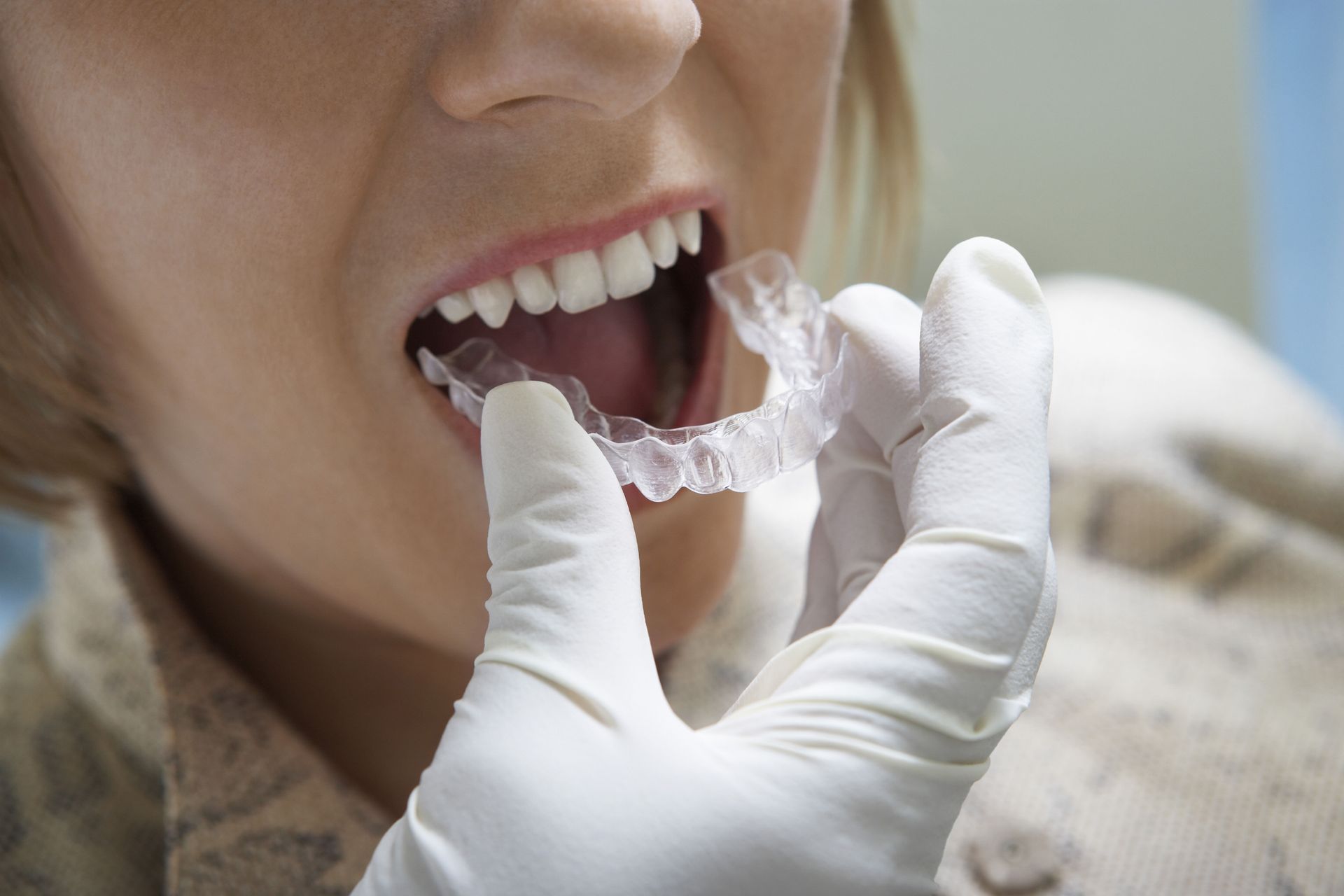
Mail-order orthodontics typically begin with an at-home impression kit or a digital scan at an affiliated location. The company uses that information to create clear aligners, which are shipped directly to the customer with instructions for wear. This model removes many traditional office visits and gives consumers more control over the process.
The popularity of these services is largely tied to convenience. Busy adults, students, and people in rural areas may appreciate the ability to start orthodontic treatment without repeatedly traveling to an orthodontic office. Digital communication, app-based check-ins, and remote support can make the experience feel simple and accessible.
Cost is another major reason people consider this option. Traditional braces or in-office aligners can be expensive because they include exams, imaging, adjustments, and ongoing professional monitoring. Mail-order companies often advertise lower prices by reducing in-person care. For some consumers, this makes orthodontic treatment feel more financially attainable.
Exploring the Appeal of Mail-Order Aligners
Mail-order aligners appeal to people who want a discreet and flexible way to improve their smile. Clear aligners are less visible than braces, and many companies allow customers to manage much of the process from home. This convenience can be especially attractive for those with demanding schedules or dental anxiety.
Marketing also plays a powerful role. Social media ads, influencer testimonials, and before-and-after photos can make mail-order aligners seem easy and effective. These success stories may encourage consumers to view orthodontic treatment as a simple cosmetic upgrade rather than a medical process that requires careful evaluation.
Technology has helped support this growth. Digital scans, 3D modeling, and customized aligner production can create a more personalized experience. Some companies use online portals to track progress and answer questions. These tools can improve communication, but they are not always a substitute for hands-on clinical judgment.
Evaluating the Benefits of Mail-Order Aligners
The most obvious benefit is affordability. Lower upfront pricing and payment plans can make aligners accessible to people who might otherwise delay care. Transparent pricing also helps consumers understand costs before committing, which can reduce uncertainty and make planning easier.
Another advantage is speed. Many mail-order systems allow customers to begin the process quickly after completing impressions or scans. This can reduce waiting times compared with traditional consultations, especially in areas where orthodontic appointments are limited or booked far in advance.
For mild spacing or minor alignment concerns, mail-order orthodontic treatment may provide satisfactory results for some users. Customers who carefully follow instructions, wear aligners as directed, and communicate concerns early may have a smoother experience. However, success depends heavily on case selection and proper monitoring.
Recognizing Potential Risks and Care Concerns
Despite the convenience, mail-order aligners can involve real risks. Teeth, gums, roots, and bite patterns all need to be evaluated before movement begins. Without a complete in-person exam, issues such as gum disease, cavities, bone loss, or bite complications may be missed.
Improper impressions or scans can also affect the fit of aligners. If the aligners do not fit correctly, tooth movement may not follow the intended plan. This can lead to discomfort, uneven results, or new bite problems. In traditional care, an orthodontist can make adjustments during regular visits, but remote systems may not catch problems as quickly.
Retreatment is another concern. According to a Forbes report, 77% of orthodontists have encountered patients who needed retreatment after trying mail-order solutions. This highlights the importance of understanding that orthodontic treatment is not only about straight teeth; it also involves jaw function, bite balance, and long-term oral health.
Understanding the Importance of Professional Oversight
Professional supervision is especially important for people with crowding, bite issues, missing teeth, gum problems, previous dental work, or jaw discomfort. These factors can make tooth movement more complicated. A licensed orthodontist can evaluate whether aligners are appropriate and identify concerns before treatment begins.
In-office care also allows for ongoing adjustments. Teeth do not always move exactly as planned, and aligners may need refinements. Regular evaluations help ensure progress stays on track. Without these visits, consumers may not realize there is a problem until results are already compromised.
Anyone considering orthodontic treatment should compare convenience with clinical safety. Mail-order options may work best for limited cosmetic concerns, while more involved cases often require direct professional care. A consultation with an orthodontist can help clarify which approach is safest.
Making an Informed Treatment Decision
Before choosing mail-order aligners, consumers should review the company’s qualifications, monitoring process, refund policies, and access to licensed dental professionals. They should also ask whether X-rays, oral health screenings, or in-person evaluations are recommended before starting.
It is also wise to pay attention to warning signs during treatment. Pain, loose teeth, bleeding gums, worsening bite problems, or aligners that do not fit properly should not be ignored. These issues may indicate that the treatment plan needs professional review.
Mail-order orthodontic services reflect a growing demand for affordable and convenient dental solutions. While it can offer benefits for certain patients, it also requires careful expectations and responsible decision-making. The best choice is one that balances cost, convenience, safety, and long-term oral health.
Asking the Right Questions Before Choosing a Provider
Before committing to a mail-order aligner program, consumers should take time to evaluate the company's approach to patient care. Asking detailed questions about who reviews treatment plans, how progress is monitored, and what happens if complications develop can provide valuable insight. Reputable providers should clearly explain whether licensed dental professionals oversee each case and how patients can communicate with them throughout the process.
It is also important to understand the limitations of remote care. Some providers only accept cases involving mild cosmetic alignment, while others may advertise broader capabilities. Consumers should be cautious of marketing claims that seem too good to be true and instead focus on whether the company emphasizes patient safety, realistic expectations, and appropriate case selection. Reading independent reviews and discussing concerns with a local dental professional can provide a more balanced perspective before making a decision.
Maintaining Results After Treatment
Completing aligner therapy is only one step toward maintaining a healthy smile. After teeth have been moved into their new positions, retainers are typically recommended to prevent them from gradually shifting back. Consistent retainer use is an essential part of long-term success regardless of whether treatment was completed through a traditional orthodontic office or a remote provider.
Good oral hygiene also remains important throughout and after care. Brushing, flossing, and attending routine dental checkups help identify issues that could affect the stability of results. Healthy gums and supporting bone provide the foundation necessary for teeth to remain properly aligned over time.
Mail-order aligners have changed how people think about smile correction by making care feel more accessible and affordable. Still, orthodontic treatment should be approached with caution because tooth movement affects more than appearance. Consumers who understand the benefits, risks, and need for proper oversight are better prepared to choose the option that supports both their smile goals and their oral health. Contact Boland Orthodontics today and learn more about our services.